
Real Estate Trends 2026: What’s Hot, What’s Not, and What’s Next

The real estate market in 2026 is no longer just reacting to short-term economic shifts—it’s being reshaped by long-term changes in how people live, work, and invest. Technology, affordability pressures, climate awareness, and evolving buyer expectations are redefining what “value” means in property.
Whether you’re a homebuyer, seller, investor, or industry professional, understanding what’s hot, what’s fading, and what’s emerging next can help you make smarter decisions in the year ahead.
What’s Hot in Real Estate for 2026
1. Smart and AI-Integrated Homes
Smart homes have moved beyond novelty. In 2026, buyers expect AI-driven features such as energy optimization, predictive maintenance alerts, voice-controlled systems, and enhanced security. Homes that integrate seamlessly with smart ecosystems are commanding higher demand and faster sales.
Why it matters: Smart features improve efficiency, lower operating costs, and future-proof properties.
2. Suburban and Secondary City Growth
Affordability challenges in major metro areas continue to push buyers toward suburbs and secondary cities. Improved infrastructure, hybrid work models, and lifestyle-focused communities are driving steady appreciation in these markets.
Why it matters: Investors are finding better value and stronger long-term growth outside traditional urban cores.
3. Sustainable and Energy-Efficient Properties
Energy-efficient homes with solar panels, high-performance insulation, EV charging, and eco-friendly materials are no longer optional—they’re expected. Buyers are prioritizing lower utility costs and environmentally responsible living.
Why it matters: Sustainability now directly impacts resale value, insurance costs, and buyer appeal.
4. Build-to-Rent Communities
Single-family build-to-rent developments are expanding rapidly. These communities offer renters space, privacy, and amenities without the burden of ownership.
Why it matters: Investors see build-to-rent as a stable, scalable asset class with strong demand.
What’s Not in 2026
1. Overpriced, Non-Updated Homes
Homes that haven’t been modernized—especially those lacking energy efficiency or smart features—are sitting on the market longer. Buyers are less willing to pay a premium for properties that require major upgrades.
2. One-Size-Fits-All Floor Plans
Rigid layouts designed for pre-pandemic lifestyles are losing appeal. Buyers now want flexible spaces that can serve as home offices, gyms, or multi-purpose rooms.
3. Speculative Short-Term Investing
With tighter regulations and more cautious lending, speculative flipping and short-term rental saturation in some markets have cooled.
4. Car-Dependent Locations
Neighborhoods without walkability, transit access, or nearby amenities are seeing slower growth, especially among younger buyers and downsizing retirees.
What’s Next: Emerging Trends to Watch
1. Modular and Prefab Construction
To address housing shortages and rising construction costs, modular and prefab homes are gaining traction. Faster build times and improved design quality are changing perceptions.
2. Climate-Resilient Real Estate
Buyers and insurers are paying closer attention to climate risks. Flood-resistant designs, fire-resistant materials, and climate-adaptive planning are becoming critical, especially in vulnerable regions.
3. Data-Driven Buying and Selling
AI-powered pricing tools, virtual tours, and predictive analytics are becoming standard. Buyers and sellers are relying more on data than emotion when making decisions.
4. Mixed-Use and “15-Minute Communities”
Developments that blend residential, retail, workspaces, and recreation are gaining popularity. Convenience, community, and reduced commute times are key drivers.
Final Thoughts
Real estate in 2026 is defined by adaptability. The most successful buyers, sellers, and investors are those who embrace technology, prioritize sustainability, and understand shifting lifestyle demands.
What’s hot today reflects long-term value. What’s not signals outdated thinking. And what’s next offers opportunity for those willing to stay ahead of the curve.
Recent Updates

The Hobby Home: What If Your Next House Helped You Discover a New Passion?
What if your next home did more than meet your everyday needs? From a sunny gardening nook to a cozy reading corner or a creative workspace, the right home can give you room to explore new interests, rediscover old passions, and make more time for the things you love. Discover how to find a home that supports not just the life you live today, but the one you’re excited to create.
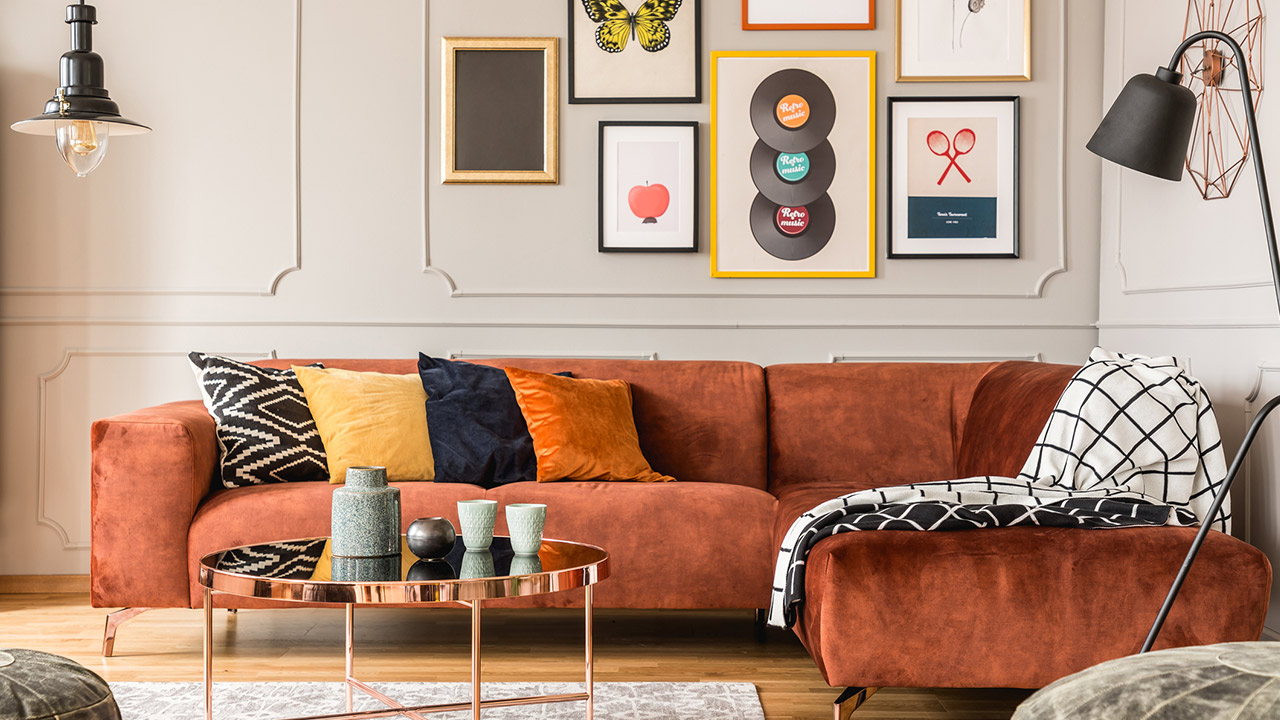
Your Home Has a Personality. Does Your Furniture Know It?
Every home has a personality — from the minimalist who loves a little breathing room to the maximalist who believes more is always more. Discover how furniture, color, and those wonderfully unexpected design choices reveal who we are, and why the most memorable homes are the ones that feel unmistakably personal.

What If Your Home Could Give You Back an Hour a Day?
What if your home could take a few things off your plate every day? By simplifying routines and letting technology quietly handle repetitive tasks, a smarter home can give you something far more valuable than another gadget—more time to enjoy your life.
Contact Us
Jim Zakhar
(949) 707-4410
jimzakhar@regencyre.com
25950 Acero., #100
Mission Viejo, CA 92691
CA DRE# 00823355
Quick Links
Brokerage Info
25950 Acero., #100
Mission Viejo, CA 92691
DRE 01200533


All information is deemed reliable but not guaranteed and should be independently reviewed and verified.
Powered by Sprout Interactive
