
Micro-Trends Quietly Taking Over Homes (That You’ll Start Noticing Everywhere)
Walk through a few open houses today and something feels different—but you can’t always put your finger on it. It’s not the big, obvious shifts like open floor plans or farmhouse sinks. Those trends have already peaked. What’s happening now is subtler.
The real evolution in homes is happening in the details—the small, highly intentional features that reflect how people actually live day to day. These “micro-trends” aren’t flashy, but they’re powerful. And once you notice them, you’ll start seeing them everywhere.
The Rise of the “Invisible Kitchen”
Kitchens aren’t disappearing—but the mess is.
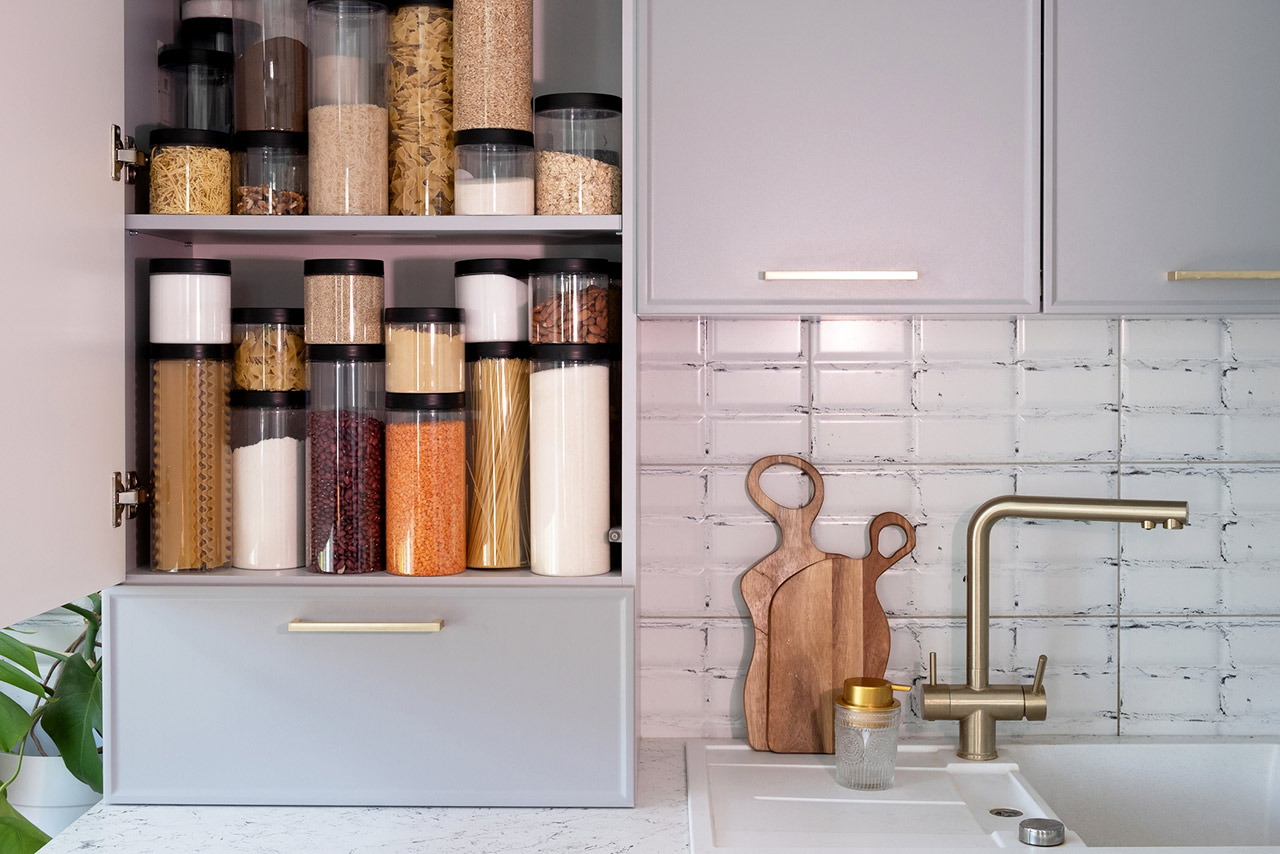
Hidden pantries, appliance garages, and secondary prep kitchens (sometimes called “back kitchens”) are becoming increasingly common. The goal is simple: keep the main kitchen looking clean and uncluttered, even during real life.
Instead of countertops crowded with toasters and coffee machines, everything gets tucked behind sleek cabinetry. It’s less about minimalism for aesthetics and more about maintaining calm in a high-traffic space.
Zoom Rooms (That Don’t Feel Like Offices)
The pandemic-era home office has evolved. People still need dedicated workspaces, but they don’t want to sacrifice an entire room to something that feels corporate.
Enter the “Zoom room”—a small, well-lit nook or flex space designed specifically for video calls. Think built-in desks, good lighting, sound buffering, and a clean background.
The difference? These spaces blend into the home. When the laptop closes, the room still feels like part of your life—not a cubicle.
Pet-Centered Design
Homes are increasingly being designed with pets in mind—not as an afterthought, but as a priority.
Built-in feeding stations, tucked-away litter box cabinets, dog washing showers in mudrooms—these features are showing up in both remodels and new builds. It’s a quiet acknowledgment that for many households, pets aren’t “extras.” They’re family.
Storage That’s Actually Thoughtful
Not all storage is created equal—and buyers are starting to notice.
Walk-in closets are expected, but now it’s about how they function: custom compartments, seasonal rotation space, even integrated laundry access. Kitchens are getting vertical storage, pull-out shelves, and hyper-specific organizers.
The trend isn’t more storage—it’s smarter storage that reduces friction in everyday routines.
Wellness Spaces (Beyond the Gym)
A treadmill in the garage doesn’t cut it anymore.
Small wellness-focused spaces are popping up: meditation corners, infrared saunas, cold plunge tubs, or just a quiet area with natural light and plants. These aren’t massive investments, but they signal a shift toward homes supporting mental and physical well-being.
It’s less about luxury, more about intentional living.
The Return of Defined Spaces (But Smarter)
Open concept isn’t dead—but it’s being refined.
People still want flow, but they also want separation when needed. Sliding partitions, glass dividers, and partial walls are making a comeback. These allow spaces to transform throughout the day—open when entertaining, closed when you need focus or quiet.
Flexibility is the new open concept.
Statement Laundry Rooms
Laundry rooms used to be purely functional. Now, they’re getting design attention.
We’re seeing bold tile, good lighting, custom cabinetry, and even decor touches. Why? Because people are spending more time at home—and even routine chores feel better in a space that’s thoughtfully designed.
It’s a small upgrade that punches above its weight in daily satisfaction.
Outdoor Spaces That Feel Like Real Rooms
Backyards are no longer just yards.
Covered patios, outdoor kitchens, fire features, and defined seating areas are turning exterior spaces into true extensions of the home. The line between indoors and outdoors is getting blurrier—especially in places like Southern California.
And importantly, these spaces are being designed for year-round use, not just occasional entertaining.
So Why Do These Micro-Trends Matter?
Because they reveal something bigger: real estate is shifting away from “impressing others” and toward “serving daily life.”
Granite countertops and high ceilings are nice—but they don’t necessarily make your day easier. A hidden pantry, a quiet workspace, or a better storage system does.
That’s what buyers are starting to value more: homes that work.
If you’re buying, renovating, or even just browsing listings, pay attention to these details. They might not be the headline feature—but they’re often what makes a house feel right long after the excitement wears off.
Recent Updates
7 Outdated Home Trends That Are Making a Comeback
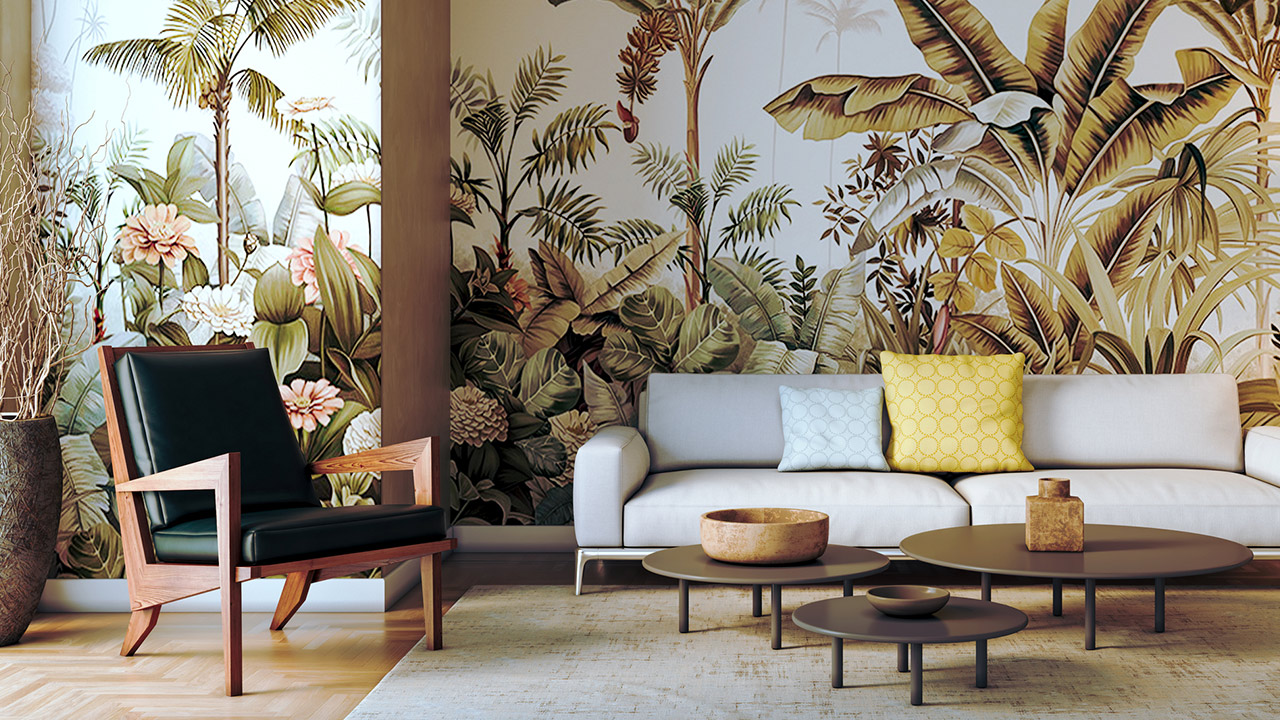
Everything old is new again. From wood paneling and wallpaper to formal dining rooms and terrazzo surfaces, several once-outdated home design trends are making a stylish comeback. Discover seven classic features that are returning to modern homes—and why today’s buyers are embracing them.

The Art of Staying Cool: Small Changes That Make a Big Difference
When temperatures soar, staying comfortable is all about working smarter, not harder. Discover simple, budget-friendly ways to keep your home cooler, lower your energy bills, and make the most of summer without breaking a sweat.

The Top Renovations That Actually Increase Value
Not all home renovations deliver the same return on investment. From kitchen upgrades and bathroom remodels to curb appeal improvements and energy-efficient updates, discover which projects actually increase your home’s value and attract today’s buyers.
Contact Us
Jim Zakhar
(949) 707-4410
jimzakhar@regencyre.com
25950 Acero., #100
Mission Viejo, CA 92691
CA DRE# 00823355
Quick Links
Brokerage Info
25950 Acero., #100
Mission Viejo, CA 92691
DRE 01200533


All information is deemed reliable but not guaranteed and should be independently reviewed and verified.
Powered by Sprout Interactive
